
Most traders think success in forex is all about strategy.
They spend time learning:
- Indicators
- Entry points
- Market patterns
But they ignore the one thing that actually determines their success:
👉 Their mindset.
The truth is:
You can have the best strategy in the world — and still lose money if your psychology is not in control.
What is Trading Psychology?
Trading psychology refers to the emotions and mental state that influence your trading decisions.
These include:
- Fear
- Greed
- Impatience
- Overconfidence
Every trade you take is influenced by how you feel — whether you realize it or not.
Why Psychology is More Important Than Strategy
Let’s be real.
Many traders already know:
- When to enter trades
- When to exit trades
Yet they still lose money.
Why?
Because they:
- Close trades too early (fear)
- Hold losses too long (hope)
- Overtrade after losses (revenge trading)
👉 This is not a strategy problem — it’s a psychology problem.
🔥 COMMON EMOTIONS THAT DESTROY TRADERS
1. Fear
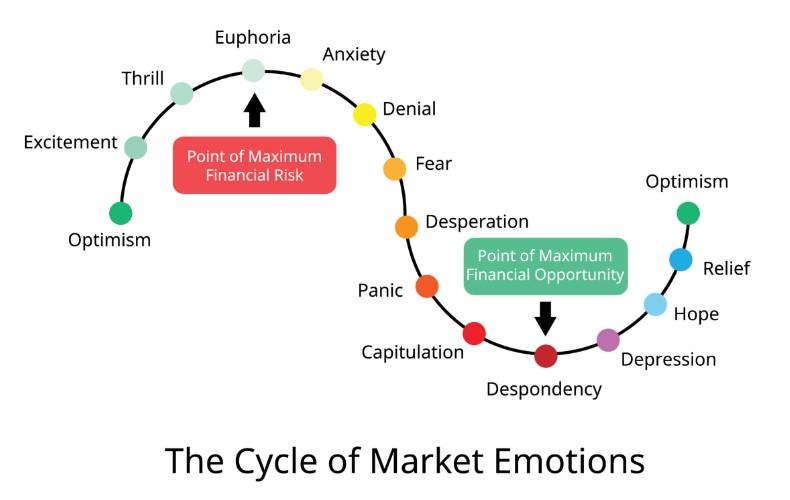
Fear causes traders to:
- Exit trades too early
- Avoid good setups
- Hesitate
👉 Fear comes from a lack of confidence or past losses.
2. Greed

Greed makes traders:
- Hold trades too long
- Over-leverage
- Take unnecessary risks
👉 Greed turns winning trades into losses.
3. Revenge Trading
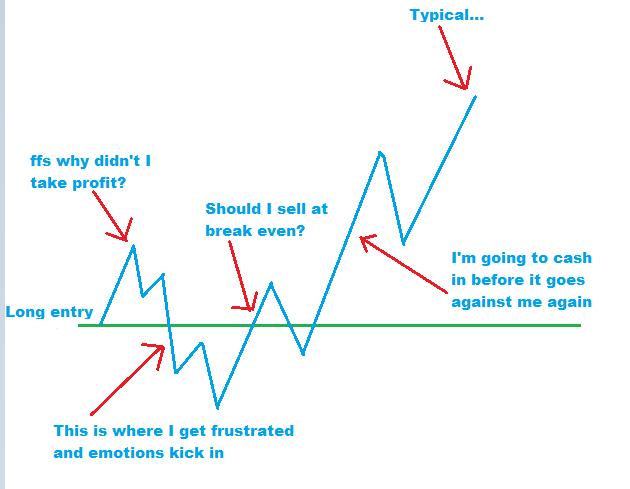
After losing money, some traders:
- Try to “win it back” immediately
- Enter random trades
👉 This usually leads to even bigger losses.
4. Overconfidence
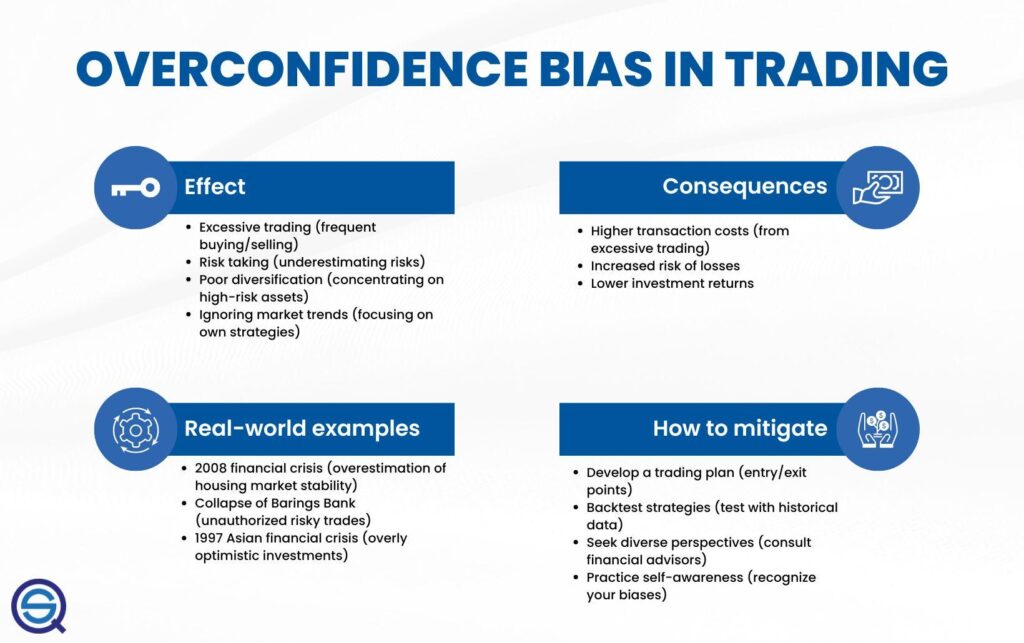
After a few wins, traders feel:
- Invincible
- Untouchable
This leads to:
- Bigger risks
- Poor decisions
🧠 HOW TO CONTROL YOUR EMOTIONS
1. Follow a Trading Plan
A trading plan removes emotional decisions.
It defines:
- Entry rules
- Exit rules
- Risk limits
👉 No plan = emotional trading.
2. Use Proper Risk Management
Never risk more than 1–2% per trade.
This reduces:
- Stress
- Emotional pressure
👉 Smaller risk = clearer thinking.
3. Accept Losses as Normal
Losses are part of trading.
Even the best traders lose.
👉 The goal is not to avoid losses — but to manage them.
4. Stay Consistent
Jumping between strategies creates confusion.
Stick to one system and improve it over time.
5. Take Breaks
If you’re:
- Emotional
- Tired
- Frustrated
👉 Don’t trade.
Clear mind = better decisions.
🔗 HOW PSYCHOLOGY CONNECTS TO EVERYTHING
Your psychology affects:
- Your strategy
- Your execution
- Your results
That’s why successful trading is a combination of:
- Strategy
- Tools
- Broker
- Mindset
🔚 FINAL THOUGHTS
Trading is not just a technical skill — it’s a mental game.
If you master your emotions, you gain control over your results.
Start focusing not only on:
- What you trade
But also:
- How do you think while trading